Yue Huang黄跃/hwɑːŋ jwɛ/
PhD student, University of Notre Dame
Past · Present


About
I am a third-year PhD student at the University of Notre Dame, advised by Prof. Xiangliang Zhang in the MINE Lab.
Previously at Microsoft Research, MIT-IBM Watson AI Lab, IBM Research, and Tsinghua KEG.
 IBM Research
News
 KAUST Rising Star in AI
 OpenAI Researcher Access Program.
Research
I build self-improvement humane and humanized intelligence: foundation models and agentic systems aligned with human values, informed by human cognition, and supported by reliable infrastructure.
I study how to align foundation models and agentic systems with human values, from individual behavior to collective dynamics. My work uncovers emergent social intelligence risks that agent-level safeguards alone cannot prevent (Emergent Social Intelligence RisksNature Machine Intelligence). I also benchmark trustworthiness (TrustLLMICML'24, TrustGenICLR'26), train honest and helpful models (HonestLLMNeurIPS'24), examine biases in LLM-as-a-judge (Justice or Prejudice?ICLR'25), and prioritize safety in alignment (SPAAAAI'26 Oral, Capability-Oriented RiskICML'26).
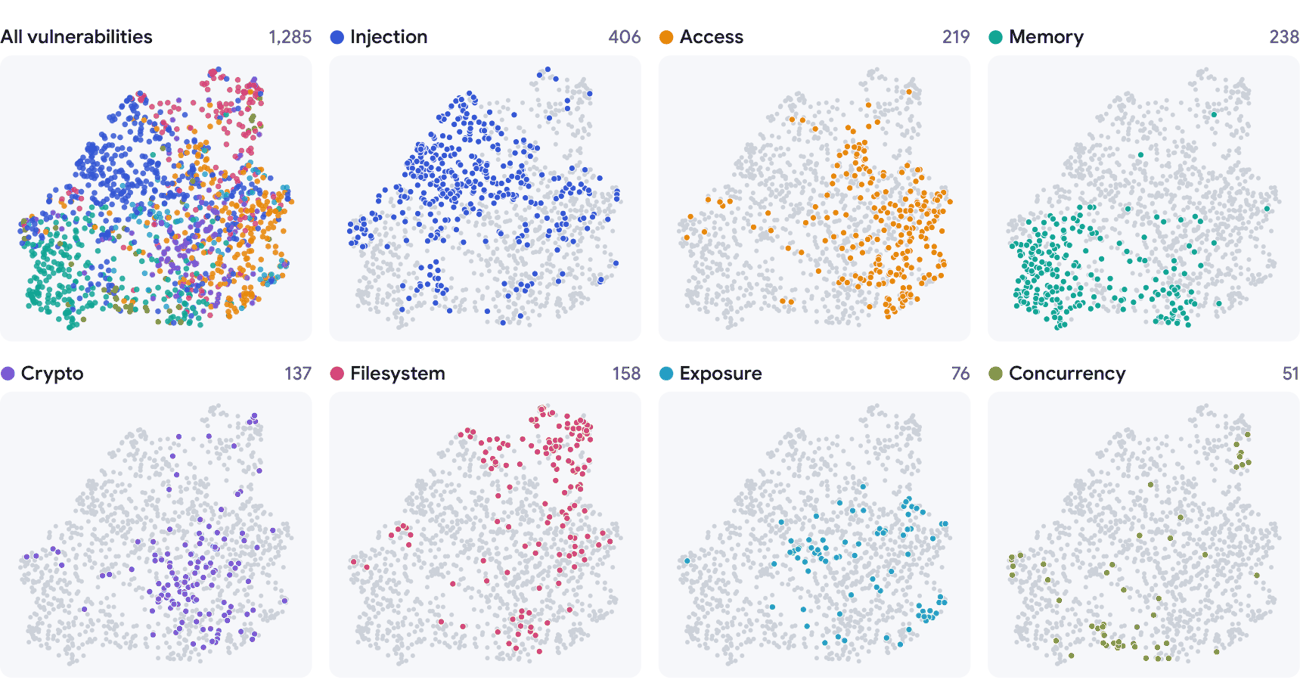
I probe how models reason and perceive, deciding when to use tools (MetaToolICLR'24), adapting reasoning style to the task (AdaReasonerNeurIPS'25 Spotlight), exposing flaws in social character simulation (TrustSimCOLM'25), diagnosing failure modes at scale (ProbeLLMICML'26), ranking models by question difficulty (RankLLMICLR'26), and probing visual aesthetic judgment (VABCOLM'26). I also explore emotionally-adaptive generative AI (EmoNestNeurIPS'25 Creative, NARRA-GymNeurIPS'26, OmeluneMac app).
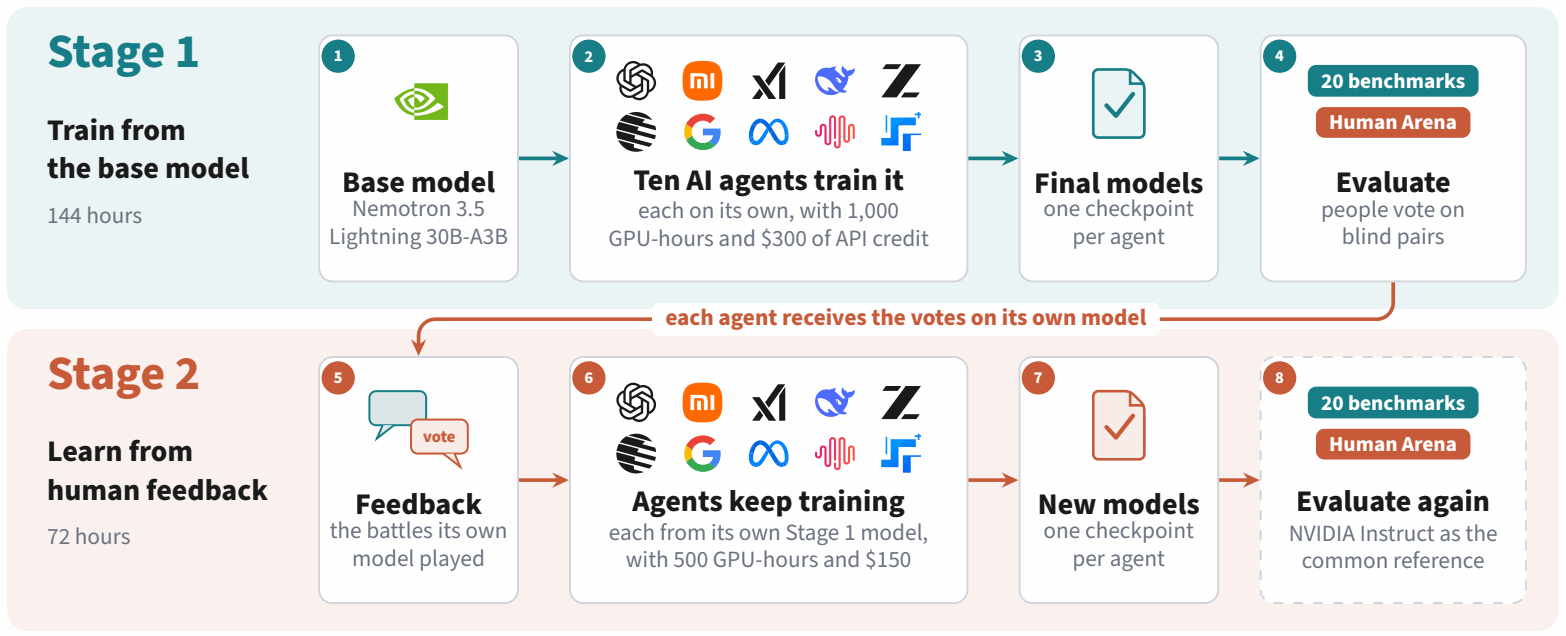
I build the toolchain that makes the above possible: frameworks for unified synthetic data (DataGenICLR'25, ChemOrchNeurIPS'25), synthetic interaction data for scalable personalization (PersonaGymKDD'26), foundational guardrails for safer agentic systems (SafironICLR'26), a new guardian model paradigm (Guardian-as-an-AdvisorACL'26 Findings), agent infrastructure that turns compute into verifiable improvement and has broken 120 world records in mathematics (ÉpiBake AI), and infrastructure for recursive self-improvement (RSI ArenaLive at COLM'26).
Latest Preprints


Selected Work


2025


Bio
Yue Huang is a third-year Ph.D. student at the University of Notre Dame, advised by Prof. Xiangliang Zhang. Previously, Yue conducted research at Microsoft Research, the MIT-IBM Watson AI Lab & IBM Research, and the Knowledge Engineering Group (KEG) at Tsinghua University. He builds human-centered, self-evolving AI systems. Yue has published more than 60 papers, including first-author publications in Nature Machine Intelligence, NeurIPS, ICML, ICLR and other venues. He was also selected as a KAUST Rising Star in AI and a Jetstream2 NAIRR AI Fellow in the NSF-led NAIRR Pilot, and received an NSF POSE Training Award as an industry mentor. His work has been recognized by the International AI Safety Report, NIST, the U.S. Department of Defense, the U.S. Senate Committee on Homeland Security and Governmental Affairs, Germany’s Federal Office for Information Security (BSI), the Japan Science and Technology Agency, five U.S. national laboratories, the Future of Life Institute, the Hoover Institution and the Center for Democracy & Technology. It has been reported by Science, New Scientist, The Atlantic and The National Interest, and has been used to evaluate frontier models such as Google’s Gemini, Qwen, Meta’s Muse, GLM, Kimi, and DeepSeek. His research is supported by NSF, OpenAI, Thinking Machines Lab, IBM, Microsoft Research, and Microsoft Azure, and his papers have received a CHI 2026 Honourable Mention Award and two workshop Best Paper Awards (Best Paper Award · SciSocLLM @ KDD 2025 and Best Paper Award · DIG-BUG @ ICML 2025). His agent system, Épi, broke 120 world records in mathematics at the time.